Twitch: Designing for Engagement, Trust & Equity
Case study 4
What is Twitch?

Social live-streaming services (SSLS) have taken social media to a new level of interactivity by encouraging users to interact with communities directly.
As of 2025, it boasts millions of active users daily, with content creators — known as streamers — broadcasting live to unlimited viewers (Dean, 2023).
Why Twitch?
Differing from traditional social media platforms, Twitch drives engagement via live interaction, community-building, and monetisation opportunities by using chat features, subscriptions, randomised gifting, and direct user contact with creators (Speed, Burnett, and Robinson II, 2023).
Twitch ensures users feel safe, valued, and fairly treated through reliable content moderation and community building, which impacts their willingness to engage with the platform consistently.
My research explored Twitch through the lenses of Persuasive Design (mainly Fogg’s Behaviour Model) and Trust Principles, asking how the platform can maintain excitement without sacrificing ethics or inclusivity.
How persuasion and trust shape Twitch’s design

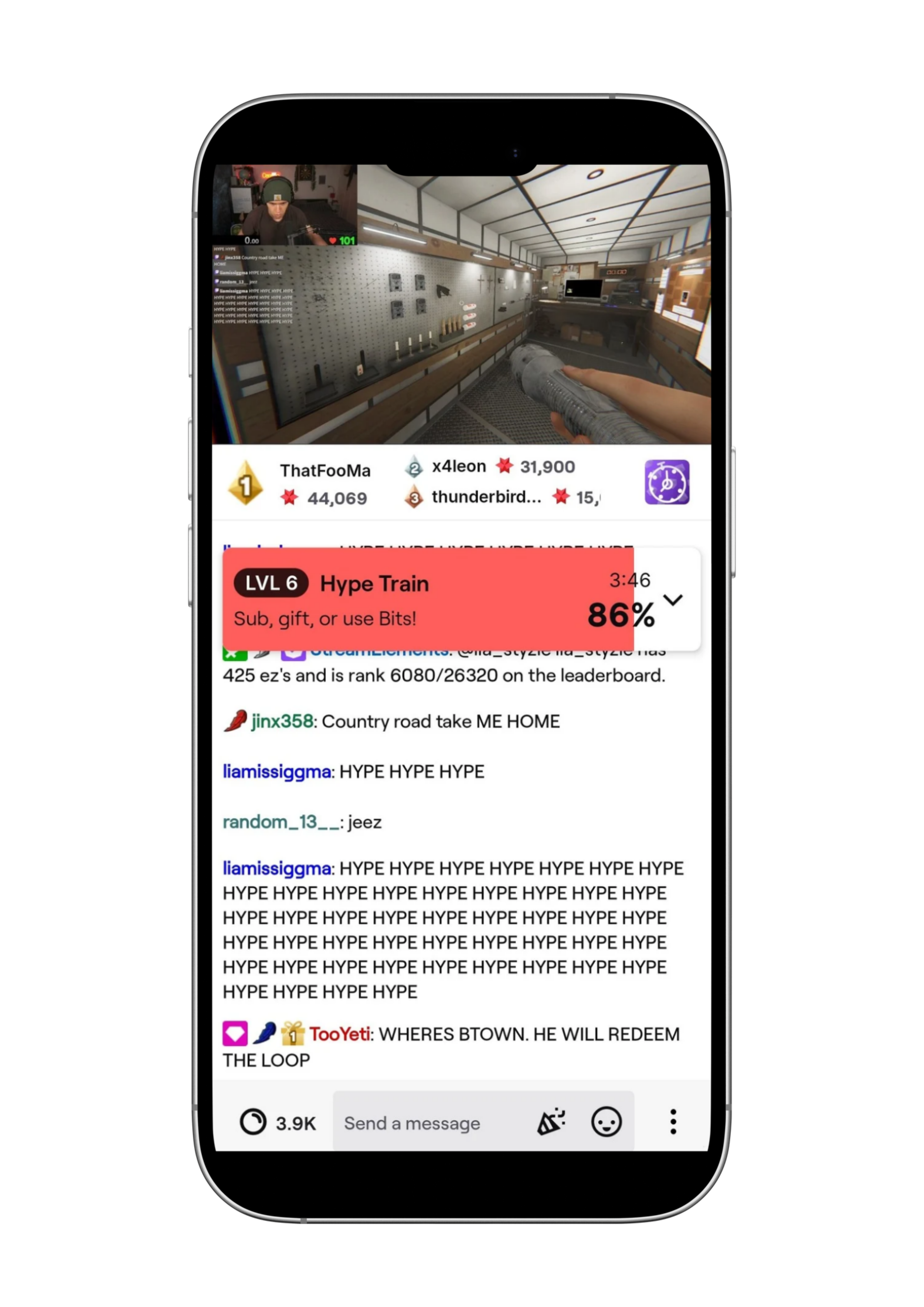
Persuasive design is about shaping user behaviour through intentional design choices. According to Fogg’s Behaviour Model, motivation, ability, and triggers combine to influence whether a user takes action.
On Twitch, this plays out through:
Notifications that nudge users back onto the platform.
Gamification (e.g., rewards, hype trains, badges) that encourage longer participation.
Social comparison in chat and community leaderboards, motivating users to keep engaging.
Social visibility in gift and rewards by blending motivation (social belonging and praise) with trigger design (the immediate feedback of alerts).
These features make the platform highly engaging — but they also raise questions about over-engagement and financial pressure.
Trust on Twitch’s Platform
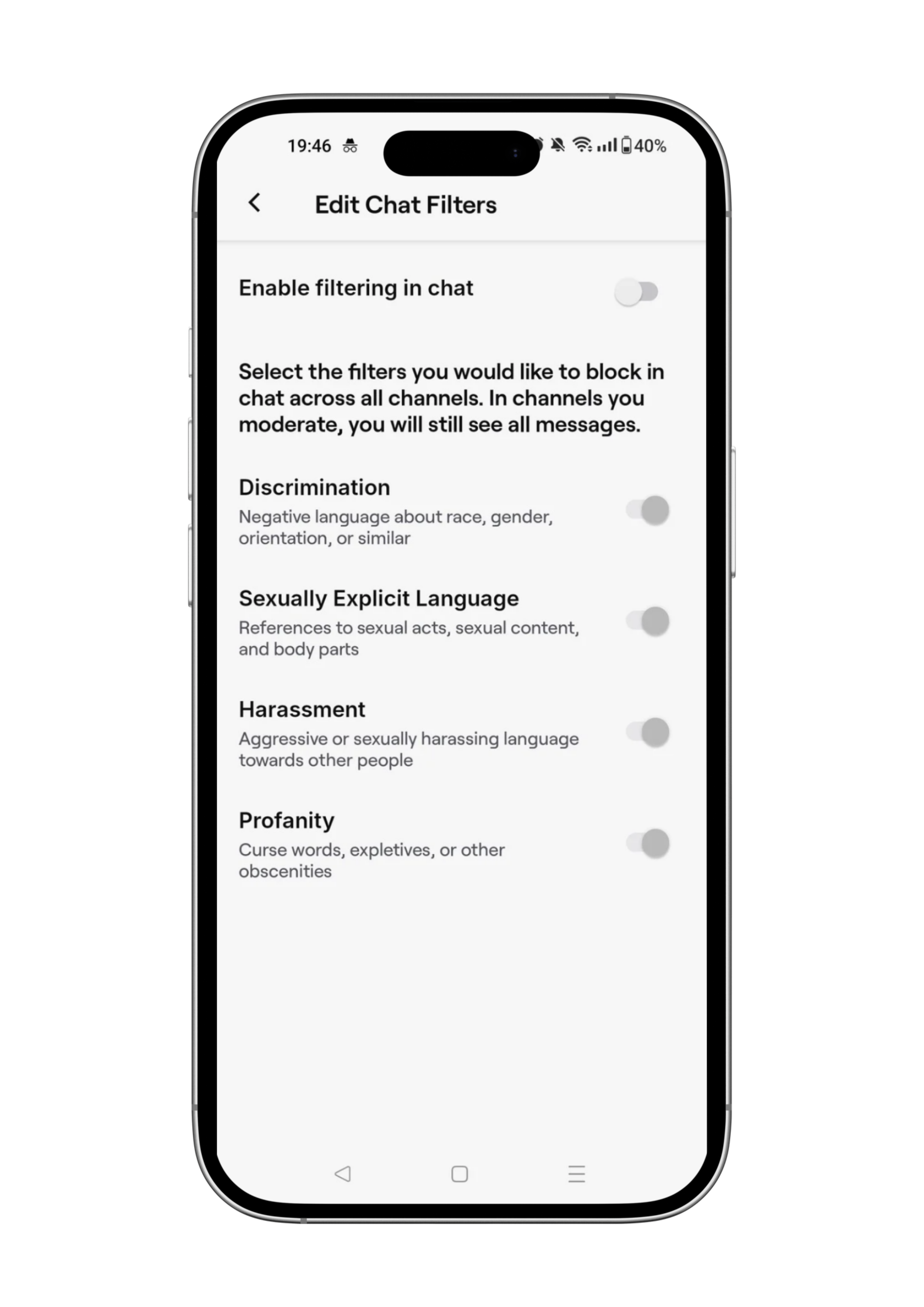
Trust is the foundation of lasting engagement. Users are more likely to return to a platform when they feel it is safe, fair, and transparent.
On Twitch, trust is shaped by:
Moderation & safety — users need consistent content moderation and reliable community safeguards.
Transparency — clear explanations for recommendations and fair monetisation policies build confidence.
Emotional experience — when users feel valued and understood, trust grows; when they feel manipulated, it breaks.
Platforms that fail to meet these expectations risk frustration and drop-off. For Twitch, strengthening trust through privacy, transparency, and fairness is just as important as building exciting features.
Improving Personalisation
Current strengths:
Recommendations and notifications already keep users engaged.
Dashboards allow some customisation of categories and streamers.
Challenges:
Users don’t know why content is recommended.
Limited dashboard control; can’t hide unwanted categories.
Opportunities:
Add transparent labels (e.g., “Because you watched X”).
Let users pin favourites and filter out irrelevant content.
Allow opt-in notifications to reduce fatigue.
Together, these improvements give users more control over what they see, reinforcing both trust and engagement.
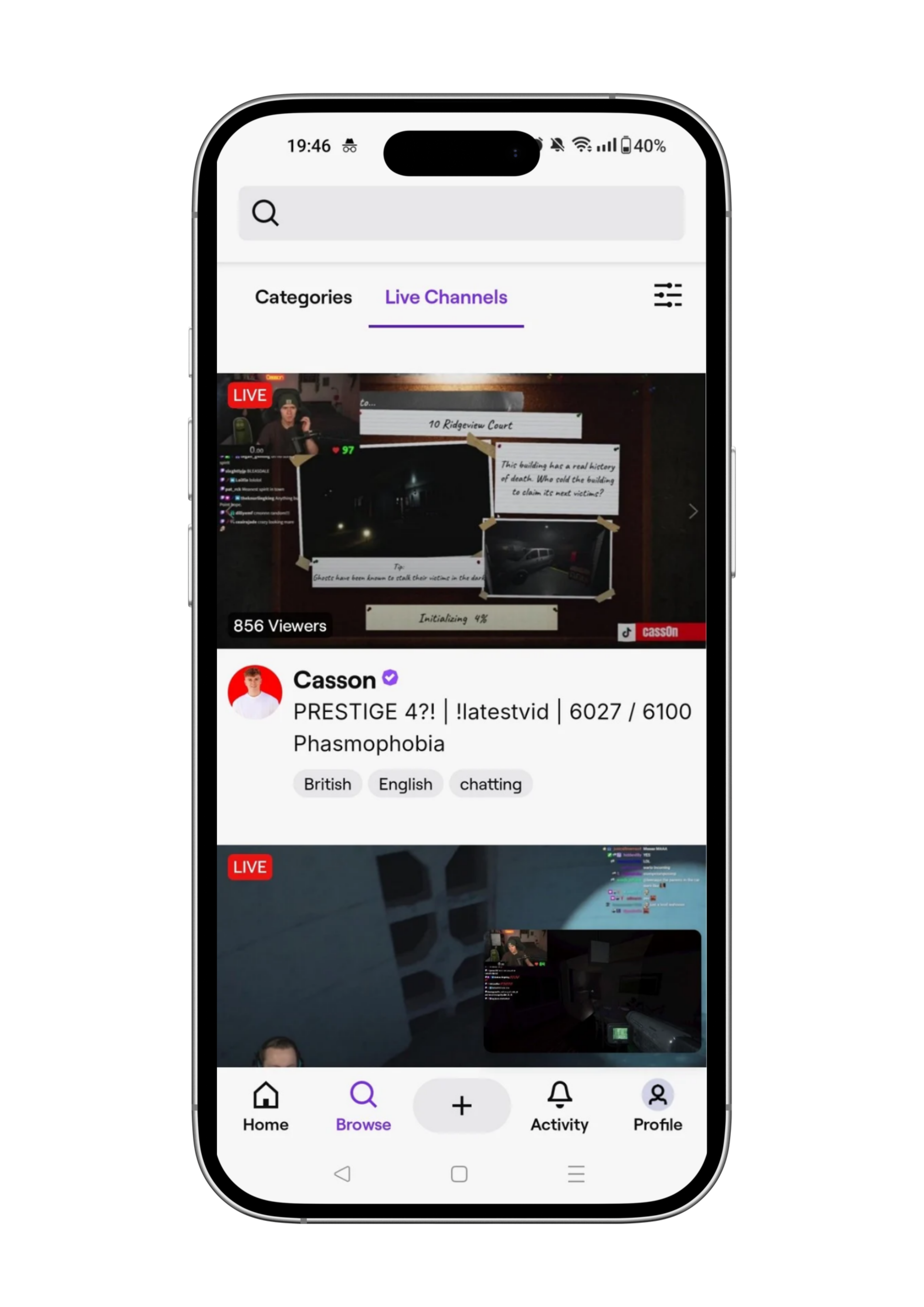
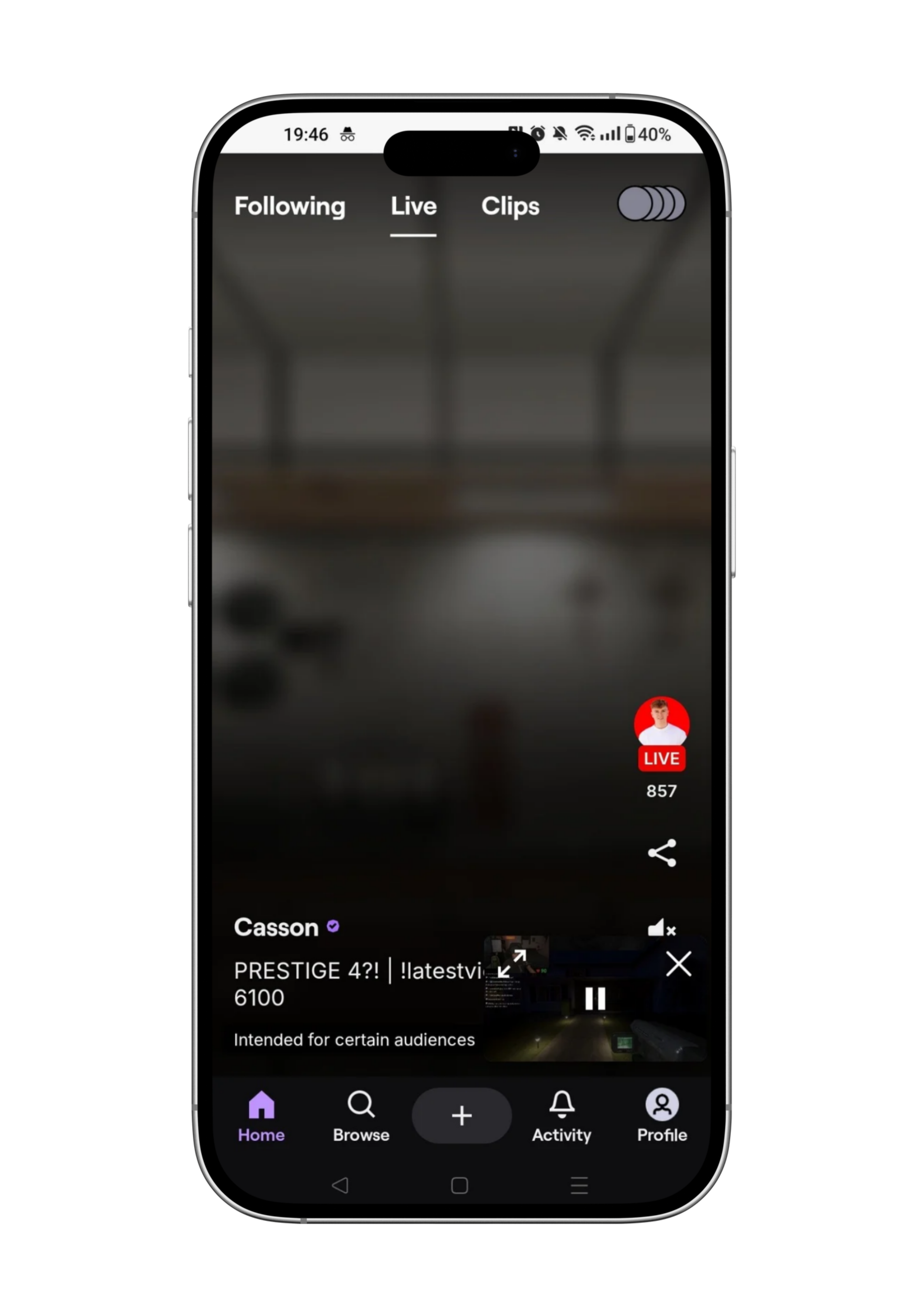
Improving Social Proof & Scarcity
Current strengths:
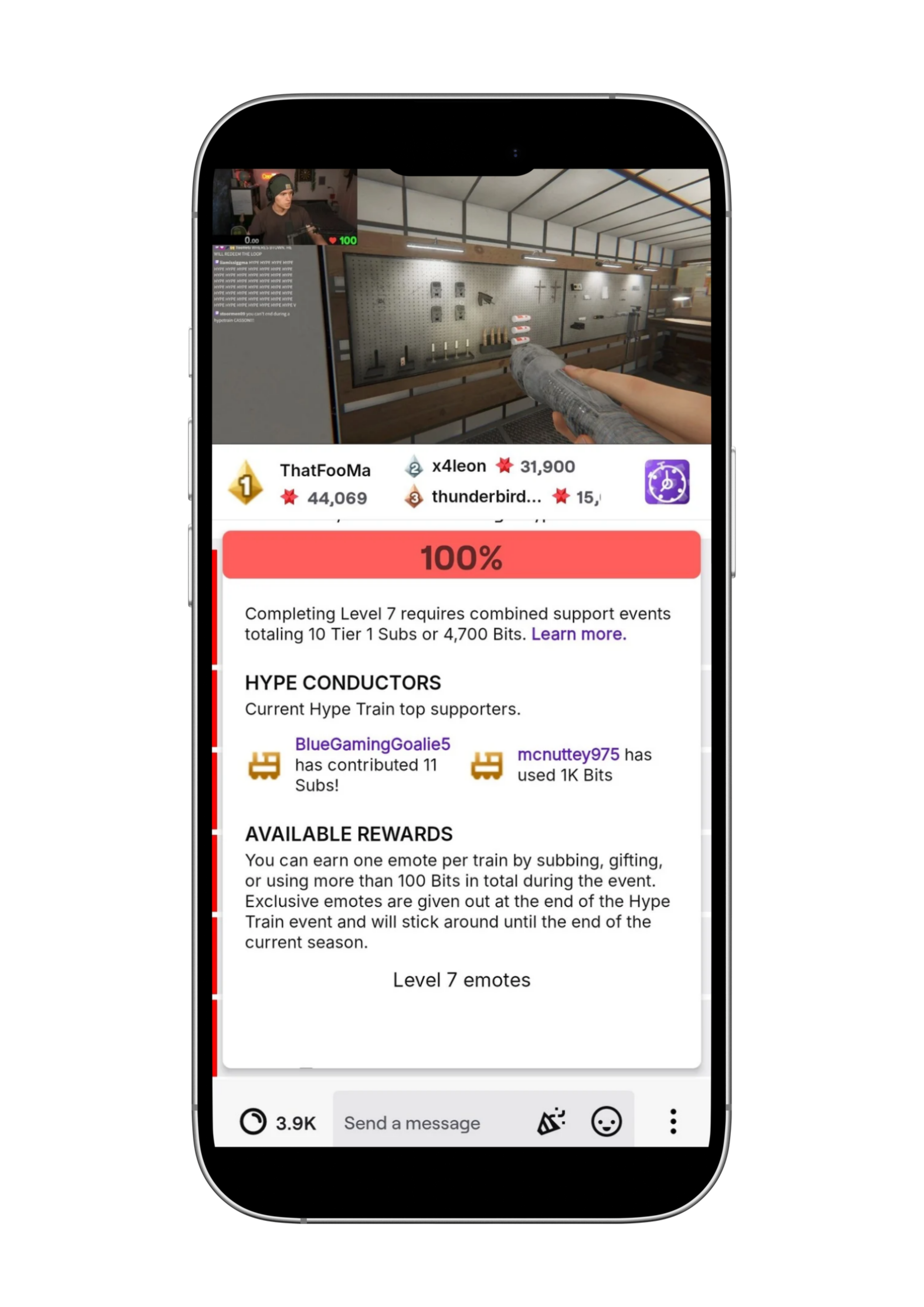
Viewer counts, raids, and hype trains create social energy.
Subscriber badges and emotes foster a sense of belonging.
The ability to gift subscriptions to other members could create a sense of not only belonging but a hierarchy amongst users.
Challenges:
Recognition often revolves around monetary contributions.
Non-paying users may feel less valued.
Opportunities:
Introduce badges for “Loyal Viewer,” “Longest Sub,” or “Active Chatter.”
Add non-monetary hype train participation (polls, emoji reactions).
Highlight personal milestones like cheer streaks or community achievements.
Expanding social proof beyond financial status creates a more equitable environment where every user can participate meaningfully.
Improving Ethics & Equity of Design
Twitch’s most engaging features — gifting, hype trains, badges, and rapid chat activity — are powerful persuasive tools.
But they also carry risks: over-engagement, financial pressure, limited accessibility, and low transparency.
Designing ethically means protecting users while still supporting vibrant communities.
1. Financial Pressure & Over-Engagement
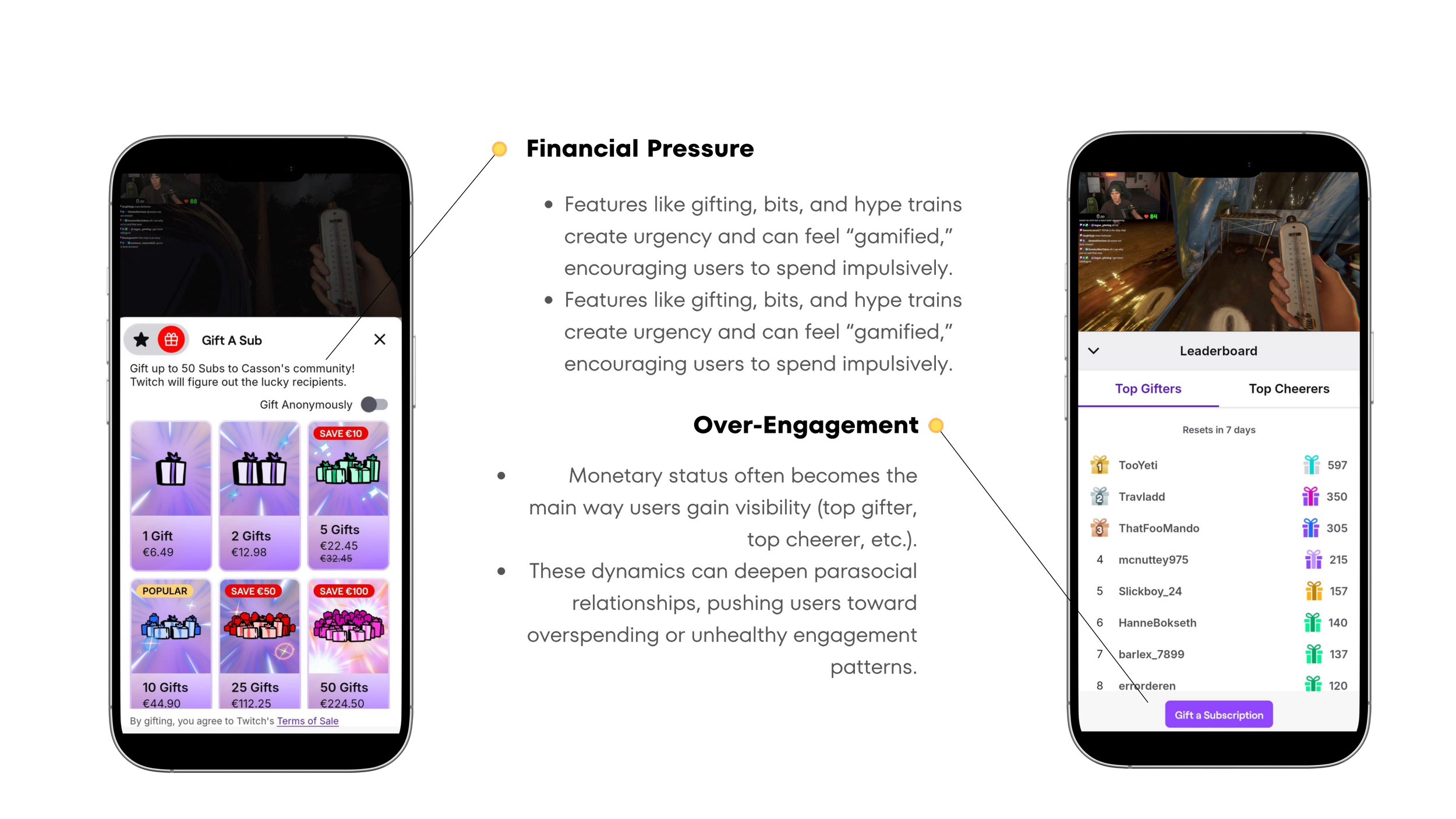
Features like gifting, bits, and hype trains create urgency and can feel “gamified,” encouraging users to spend impulsively.
Monetary status often becomes the main way users gain visibility (top gifter, top cheerer, etc.).
These dynamics can deepen parasocial relationships, pushing users toward overspending or unhealthy engagement patterns.
2. Accessibility Limitations
Twitch offers limited live captioning and very few customisation options.
Users with hearing, auditory-processing, or language barriers struggle to engage fully.
Visually impaired users are often excluded due to non-adaptive UI elements.
3. Low Transparency
Users cannot easily see how recommendations are generated.
Monetisation breakdowns (where money goes between Twitch and creators) are not clearly communicated.
Lack of clarity around data collection, promotions, and moderation reduces user trust.
Opportunities for Improvement
Financial Safeguards
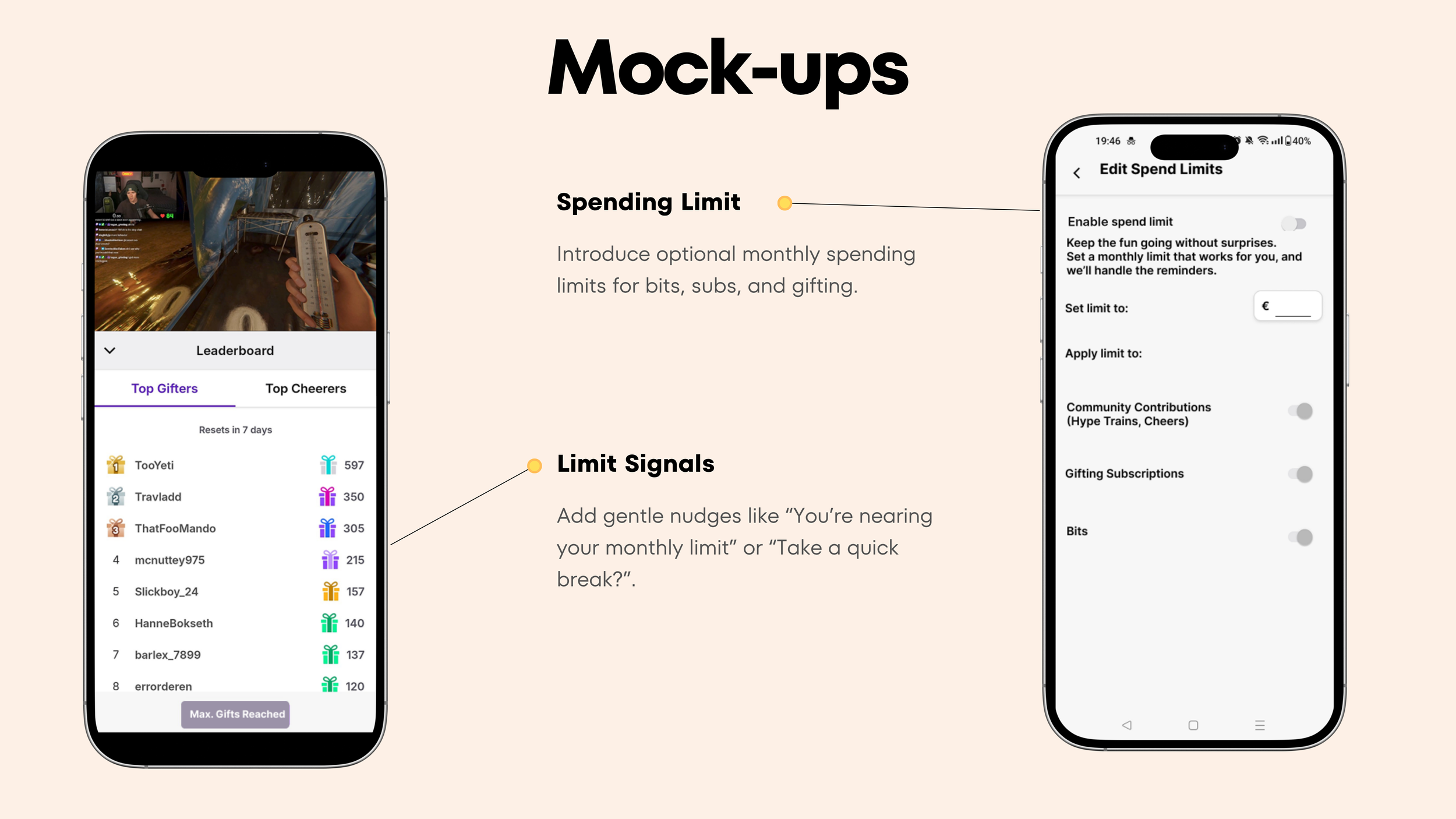
Introduce optional monthly spending limits for bits, subs, and gifting.
Add gentle nudges like “You’re nearing your monthly limit” or “Take a quick break?”.
Offer non-monetary ways to participate in hype trains (polls, emoji bursts, engagement streaks).
Inclusive Accessibility
Implement real-time auto-captioning across all streams.
Add custom caption controls: font size, colour, placement, and background.
Provide layout options for users with visual impairments (high-contrast mode, larger UI elements).
Greater Transparency
Show users what influences recommendations (e.g., “Recommended because you watch X”).
Allow users to opt out of certain tracking or data-driven features.
Publicise revenue split information so viewers can make informed choices when supporting streamers.
By embedding financial safeguards, accessibility, and transparency into the platform, Twitch can support vibrant communities while protecting the people who make them possible.
What I Learned
Strong engagement cannot come at the cost of user autonomy.
Ethical persuasive design requires just as much care as UI or interaction design.
Transparency and accessibility aren’t add-ons — they’re core trust builders.
Community-driven platforms need safeguards as much as features.
Balancing motivation with wellbeing is a core responsibility of UX.
Twitch already excels at creating live, energetic interaction, but this project highlighted how easily persuasive design can cross the line into pressure without clear ethical boundaries. By strengthening transparency, accessibility, and user control, Twitch can continue to support vibrant communities while protecting the wellbeing of the people who participate in them.
This work helped me understand how engagement, trust, and ethics intersect on real-world platforms. It reinforced the importance of designing experiences that are not only exciting, but fair, respectful, and genuinely human-centred.